Immigration Information
Biometrics for Immigration
Every country has its set of regulations for the entry of foreigners, and Canada is no exception. As part of the immigration process to Canada, applicants are required to undergo fingerprinting or provide biometrics before being granted entry.
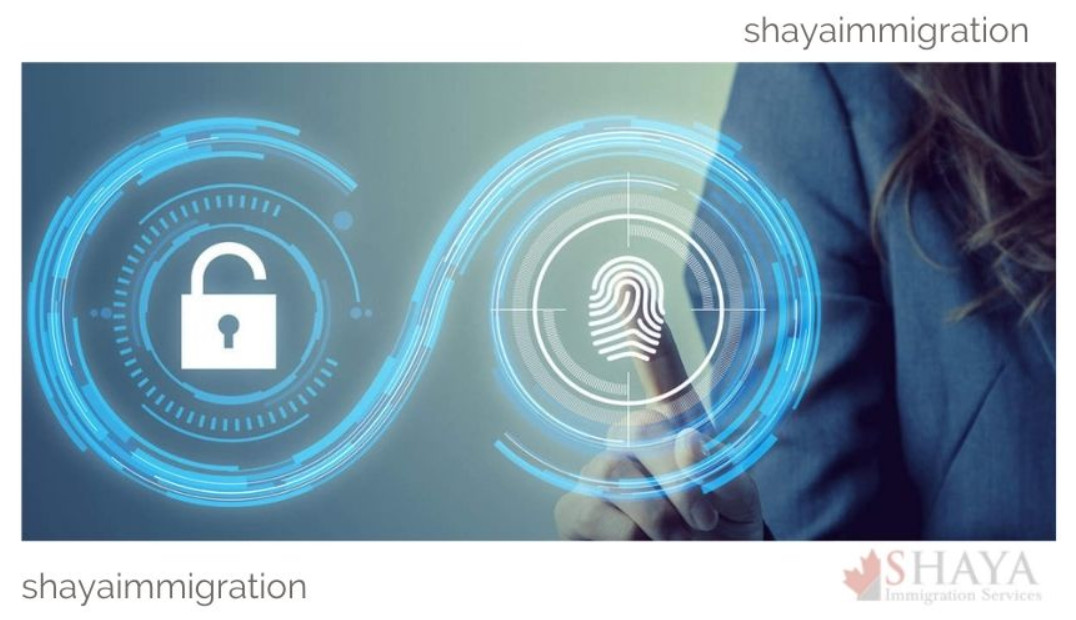
The term “biometrics” is derived from two Greek words: “Bio,” meaning life, and “Metrikos,” meaning estimation. Biometric technology involves automatically recognizing and confirming an individual’s identity by measuring physiological or behavioral characteristics unique to them. In simpler terms, it verifies identity by assessing distinctive features of one’s body.
Fingerprinting, or registering biometric information, is a crucial step in the visa application process. This practice serves various purposes, including enhancing identity control, combating fraud, protecting against identity theft, facilitating asylum applications, and bolstering security measures to prevent, detect, and investigate criminal activities.
In the context of Canadian biometrics, the process involves capturing a digital photograph of the face and digital fingerprints of all ten fingers. This information is stored in the Canadian Immigration Department’s system. Upon entry into Canada, border officers use this data to verify that the person matches the registered identity.
1. Automated Verification
In major Canadian airports, fingerprint verification is automated at initial inspection kiosks. Secondary inspections at other entry points may include precautionary fingerprinting to ensure the traveler’s identity matches the admission record.
2. Biometric Test Requirement
Applicants for temporary and permanent Canadian visas, such as tourist, study, work, immigration, or permanent residence visas, are required to undergo the Canadian biometric test.
3. Frequency of Biometrics
Tourist, study, and work visa applicants provide biometric information once every ten years. Permanent residence applicants, even if they previously provided biometrics for temporary visas, must undergo the process again.
4. VFS Global
The private company VFS Global handles Canadian biometrics. Applicants can visit Visa Application Centers (VAC) in various countries, excluding Iran, where Iranians need to visit neighboring countries’ VAC branches.
There are two methods to schedule an appointment at the Canadian Embassy:


Important Points
Final Steps
After receiving a positive visa response, applicants should collect their visa in person using the original passport and embassy receipt.
Navigating the Canadian biometrics process is crucial for a smooth immigration journey. Applicants are advised to follow guidelines carefully and adhere to specified timelines for successful outcomes.


